Optical urethrotomy is a minimally invasive surgical procedure designed to treat urethral strictures by making an incision in the narrowed section of the urethra. At KK Virat Hospital, Karimnagar, we offer state-of-the-art facilities and expert surgical care to help patients regain normal urinary function with minimal recovery time.
Understanding Optical Urethrotomy
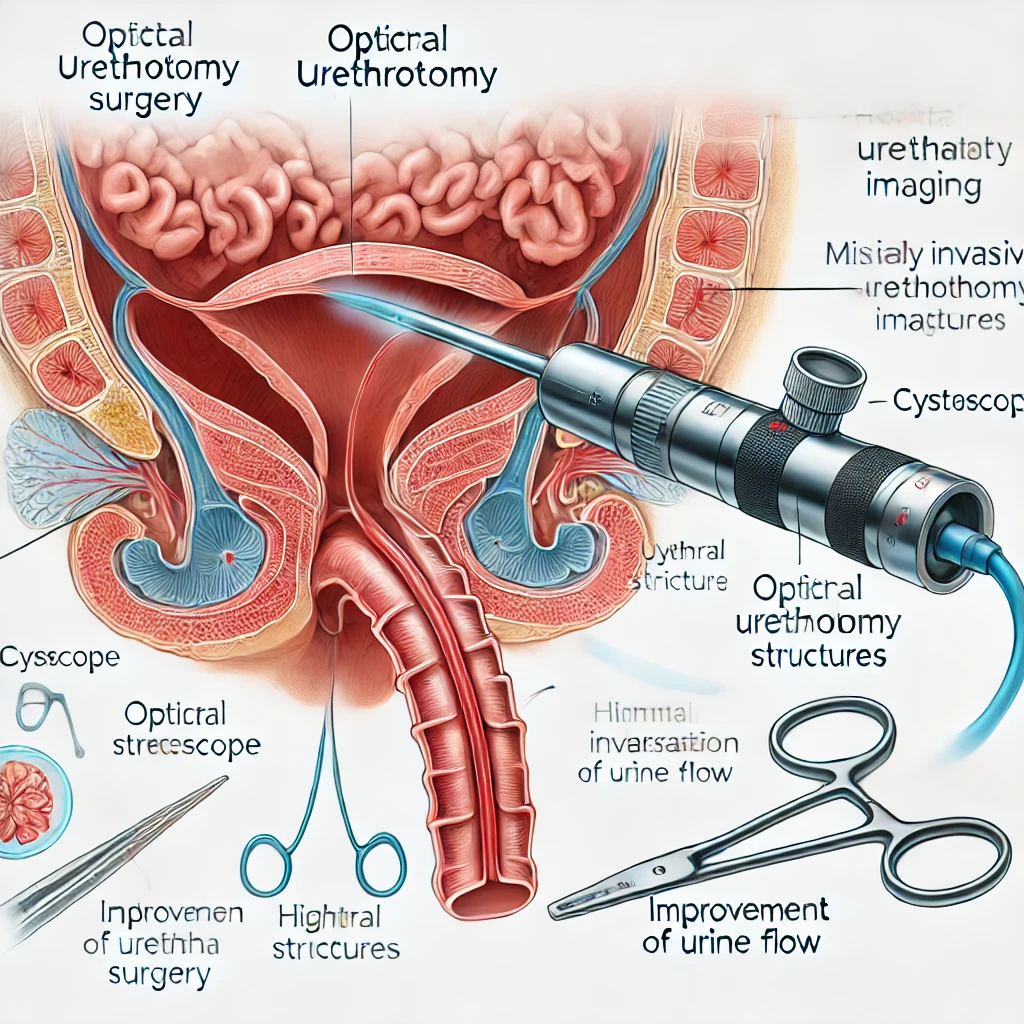
Urethral strictures occur when the urethra becomes narrowed due to scarring from trauma, infections, or surgeries. Optical urethrotomy involves the use of a cystoscope with an attached camera and a fine blade to carefully cut the stricture, restoring the normal flow of urine. This procedure is ideal for short or simple strictures and is often performed as an outpatient procedure.
Symptoms of Urethral Stricture
- Weak or Reduced Urine Flow: Difficulty in maintaining a steady stream.
- Difficulty Starting Urination: Delay or straining during urination.
- Frequent Urinary Tract Infections (UTIs): Recurring infections due to incomplete bladder emptying.
- Urinary Retention or Dribbling: Inability to empty the bladder fully.
Causes of Urethral Stricture
- Trauma or Injury: Accidents or falls causing pelvic or urethral trauma.
- Infections: Recurrent UTIs or sexually transmitted infections (STIs).
- Prolonged Catheterization: Long-term use of catheters leading to scarring.
- Previous Surgeries: Surgical interventions or radiation therapy involving the urinary tract.
Diagnosis and Evaluation
At KK Virat Hospital, our diagnostic process includes:
Urine Flow Test: Measures urine flow rate and pattern to detect obstruction.
Cystoscopy: Direct visualization of the urethra using a camera for detailed assessment.
Retrograde Urethrogram: X-ray imaging to locate and assess the length and severity of the stricture.
Pre-Surgery Care
Proper preparation is essential for the best surgical outcomes. Our pre-operative care includes:
Diet and Lifestyle Advice: Recommendations on hydration, balanced nutrition, and avoidance of alcohol or smoking to promote healing.
Medical Assessment: Comprehensive health check including blood tests and imaging to evaluate overall fitness for surgery.
Medication Management: Adjustments to blood thinners, anti-inflammatory drugs, and other medications to minimize surgical risks.
Procedure Details
Optical urethrotomy is performed under general or spinal anesthesia. During the procedure:
- A temporary catheter is placed to aid healing and ensure urine flow.
- A cystoscope is inserted through the urethra to locate the stricture.
- A fine blade is used to carefully incise the stricture, restoring normal flow.
- High-definition imaging allows precise identification of the narrowed section.
Benefits of Optical Urethrotomy
- Quick and Minimally Invasive: Short procedure with minimal tissue damage.
- Minimal Scarring: Reduces long-term complications compared to open surgery.
- Shorter Recovery Period: Faster return to daily activities.
- Improved Urinary Function: Significant improvement in urine flow and bladder emptying.
Post-Surgery Care
Post-operative care plays a crucial role in recovery. Our team at KK Virat Hospital provides detailed post-surgery guidance, including:
Follow-Up Visits: Regular check-ups to monitor healing and assess the need for further intervention.
Catheter Care: Temporary catheter placement for a few days to maintain urethral patency.
Pain Management: Prescribed painkillers and anti-inflammatory medications for comfort.
Infection Prevention: Antibiotics and hygiene tips to minimize infection risk.
Risk Factors of Optical Urethrotomy
Although optical urethrotomy is generally safe, potential risks include:
Urinary Incontinence: Temporary or very rarely, long-term incontinence may occur.
Infection: Risk of post-operative urinary tract infections if hygiene is inadequate.
Stricture Recurrence: A proportion of patients may experience recurrence over time.
Bleeding: Minor bleeding during or after the procedure is possible.
Long-Term Outcomes
While optical urethrotomy offers immediate relief, long-term outcomes vary depending on individual factors. Some patients may require repeated procedures or alternative treatments such as urethroplasty for recurrent strictures.
Alternatives to Optical Urethrotomy
For certain patients, other treatments may be considered:
- Permanent Catheterization: Used in severe cases where surgical options are not viable.
- Urethral Dilation: Non-surgical option involving the gradual widening of the urethra using dilators.
- Urethroplasty: Surgical reconstruction for complex or recurrent strictures.
Lifestyle and Preventive Tips
- Stay Hydrated: Adequate water intake helps maintain urinary tract health.
- Avoid Pelvic Trauma: Use protective gear during high-impact activities.
- Practice Good Hygiene: Helps reduce the risk of infections leading to strictures.
- Adhere to Follow-Up Care: Regular check-ups ensure early detection and management of potential complications.
Why Choose Optical Urethrotomy at KK Virat Super Speciality Hospital?
At KK Virat Hospital, we are dedicated to providing exceptional urological care with the latest medical technology. Here’s why patients trust us for optical urethrotomy:
- Comprehensive Post-Operative Care: Our dedicated team ensures seamless recovery through continuous support and follow-up.
- Expert Urologists: Our team comprises highly experienced urologists with specialized training in treating urethral strictures.
- Minimally Invasive Technique: The procedure is quick with minimal pain, less scarring, and shorter hospital stays.
- Advanced Equipment: We use high-definition optical systems and precision tools to ensure the best outcomes.
Book Appointment Today
If you are experiencing urinary difficulties due to urethral strictures, consult our expert urology team at KK Virat Hospital, Karimnagar. Our commitment to advanced care and patient comfort ensures you receive the best possible treatment.
- Call Us Directly: Get in touch with our medical coordinators to schedule an appointment with an expert urologist.
- Direct Visit: You can visit our hospital directly by carrying your previous medical records if you have a medical history. However, admission will be based on the doctor’s recommendation.



How long does the procedure take?
The surgery typically takes 30–60 minutes, depending on the severity of the stricture.
Is optical urethrotomy painful?
The procedure itself is painless due to anaesthesia. Post-operative discomfort is usually mild and manageable with prescribed medications.
Will I need a catheter after surgery?
Yes, a catheter is placed temporarily for a few days to keep the urethra open and promote healing.
How soon can I resume normal activities?
Light activities can be resumed within a week. However, strenuous activities and heavy lifting should be avoided for at least 2–3 weeks.
What is the success rate of optical urethrotomy?
Optical urethrotomy has a high success rate for short strictures, but recurrence is possible in 30–50% of cases over time.
Are there dietary restrictions post-surgery?
It is advisable to follow a high-fibre diet to prevent constipation, which could strain the surgical site. Staying well-hydrated is also important.
Can urethral strictures recur after this procedure?
Yes, recurrence can happen, especially in longer or complex strictures. Regular follow-up is crucial for early detection.
How soon can I return to work?
Most patients return to desk jobs within 1–2 weeks. Physically demanding jobs may require a longer recovery period.
What are the signs of complications I should watch for?
Watch for signs such as fever, severe pain, persistent bleeding, difficulty urinating, or foul-smelling discharge. Immediate medical attention is recommended if these symptoms occur.
Is optical urethrotomy suitable for all types of strictures?
No, it is best suited for short, simple strictures. Complex or recurrent strictures may require more invasive procedures like urethroplasty for long-term relief.