Laparoscopic hernia surgery at KK Virat Hospital, Karimnagar, offers a minimally invasive approach to hernia repair, ensuring faster recovery and minimal discomfort. Our expert surgeons use advanced techniques, including mesh reinforcement, to reduce recurrence risk. Experience state-of-the-art care with shorter hospital stays, reduced pain, and enhanced precision. Book your consultation today!
Understanding Hernia & Types of Hernia Surgery
A hernia occurs when an internal organ, tissue, or fat pushes through a weak spot in the abdominal muscles. While hernias are not always dangerous, they can increase in size and lead to complications. KK Virat Hospital, Karimnagar, provides expert laparoscopic hernia surgery to ensure effective treatment and a faster recovery.
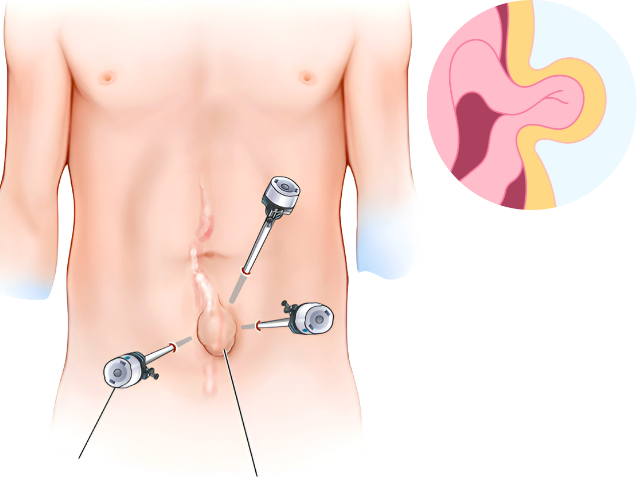
Common Types of Hernia
- Inguinal Hernia: Occurs in the groin when a section of the intestine or bladder pushes through the abdominal wall.
- Umbilical Hernia: Develops when the intestine protrudes through weak muscles near the navel.
- Hiatal Hernia: The stomach bulges through an opening in the diaphragm into the chest cavity.
- Femoral Hernia: This happens when organs push through the groin near the femoral artery and is more common in women.
- Incisional Hernia: Forms at the site of previous surgical incisions where the abdominal muscles have weakened.
Diagnosis & Evaluations Before Laparoscopic Hernia Surgery
A thorough diagnosis is crucial to determining the best treatment plan. The evaluation process includes:
- Additional Tests: Pulmonary function tests, ECG, or cardiac evaluations may be required based on health conditions.
- Physical Examination: The doctor checks for a visible bulge and may ask the patient to cough or strain to detect the hernia.
- Medical History: Understanding symptoms, medical conditions, and any previous surgeries.
- Ultrasound: Uses sound waves to assess the size and location of the hernia.
- CT Scan & MRI: Provide detailed images of internal organs to confirm the severity of the condition.
Surgical Treatment for Hernia Repair
KK Virat Hospital offers the latest laparoscopic techniques for hernia repair, ensuring minimal discomfort and faster recovery.
Laparoscopic Hernia Surgery:
- Mesh reinforcement to strengthen the abdominal wall and prevent recurrence.
- Faster recovery with reduced post-operative pain.
- Lower risk of complications compared to open surgery.
- Minimally invasive procedure using small keyhole incisions.
Robotic-Assisted Hernia Surgery:
- Enhanced precision with robotic technology.
- Minimal scarring and lower risk of infection.
- Quicker return to daily activities due to reduced tissue damage.
Preparation for Laparoscopic Hernia Surgery
- Complete all recommended pre-surgical tests.
- Inform the doctor about ongoing medications and stop blood thinners if advised.
- Avoid eating or drinking for a specified period before the procedure.
- Wear loose clothing and arrange for post-surgery assistance.
What Happens During Laparoscopic Hernia Surgery?
- The patient is administered general anaesthesia.
- Small incisions are made in the abdomen.
- A laparoscope (a thin tube with a camera) is inserted for internal visualization.
- The surgeon repairs the hernia and reinforces the area with a mesh.
- The incisions are closed with sutures or surgical glue.
- The patient is monitored in the recovery room before discharge.
Recovery & Post-Surgical Care
- Most patients can return home the same day.
- Full recovery takes 2-4 weeks with minimal restrictions.
- Pain management with prescribed medications.
- Avoid lifting heavy objects or strenuous activities.
- Follow a high-fiber diet to prevent constipation.
Benefits of Laparoscopic Hernia Surgery at KK Virat Hospital
- Minimally invasive with small incisions.
- Faster healing and shorter hospital stays.
- Reduced post-operative pain and lower risk of infection.
- State-of-the-art technology with expert surgical care.
Potential Risks and Complications
- Infection at the surgical site.
- Recurrence of hernia (rare with proper care).
- Temporary swelling or discomfort at the incision site.
- Rare complications related to anaesthesia.
Why Choose KK Virat Hospital for Hernia Surgery?
- Experienced Surgeons: Skilled in advanced hernia repair techniques.
- Cutting-Edge Technology: Utilization of laparoscopic and robotic-assisted procedures.
- Comprehensive Care: From diagnosis to post-surgery follow-ups.
- Affordable and Effective Treatments: High success rates with minimal risks.
Your Health, Our Priority – Book Your Consultation Today!
If you have been diagnosed with a hernia, don’t wait for it to worsen. Visit KK Virat Hospital, Karimnagar, for expert laparoscopic hernia surgery and quick recovery. Contact us now for a consultation!
- Call Us Directly: Get in touch with our medical coordinators to schedule an appointment with an expert urologist.
- Direct Visit: You can visit our hospital directly by carrying your previous medical records if you have a medical history. However, admission will be based on the doctor’s recommendation.



What are the long-term side effects of hernia surgery?
Most patients recover fully with no long-term issues. However, in rare cases, patients may experience chronic pain, mesh complications, adhesions, or hernia recurrence. Proper post-surgical care and lifestyle adjustments help minimize risks.
Can hernia be cured without surgery?
Hernias do not heal on their own. While small hernias may not require immediate surgery, they can worsen over time. Supportive measures like wearing a belt, avoiding heavy lifting, and dietary changes can help manage symptoms temporarily, but surgery is the only definitive cure.
Is hernia surgery painful?
Laparoscopic surgery causes significantly less pain than open surgery. Pain is managed with medications, and most patients experience only mild discomfort, which improves within a few days.
Which surgery is best for an umbilical hernia?
Laparoscopic hernia repair is preferred due to its minimally invasive nature, shorter recovery time, and lower risk of complications compared to open surgery.
What are the dos and don’ts after laparoscopic inguinal hernia surgery?
- Dos: Walk regularly, stay hydrated, eat fibre-rich foods, and take prescribed medications.
- Don’ts: Avoid heavy lifting, strenuous exercise, and smoking, which can delay healing.
How to sleep after umbilical hernia laparoscopic surgery?
Sleep on your back with your upper body slightly elevated using pillows to reduce pressure on the abdomen and prevent strain on the surgical site.
What to wear after laparoscopic inguinal hernia surgery?
Loose-fitting clothing and compression garments may help reduce discomfort and support the healing process. Avoid tight clothing that puts pressure on the incision.
How long does swelling last after laparoscopic inguinal hernia surgery?
Mild swelling can last 1-2 weeks but typically subsides with proper rest, cold compresses, and following the surgeon’s instructions.
How much weight can you lift after laparoscopic inguinal hernia surgery?
Patients should avoid lifting anything over 5-10 kg for at least 4-6 weeks to prevent strain on the repaired area. Consult your doctor before resuming heavy lifting.
What size hernia needs surgery?
Hernias larger than 1.5 cm, causing discomfort, or showing signs of complications typically require surgical intervention.
Is hernia surgery dangerous?
Hernia surgery is generally safe, with a high success rate. Risks include infection, bleeding, and recurrence, but these are rare with proper care.
How long can you wait to have hernia surgery?
Delaying surgery increases the risk of complications like strangulation or bowel obstruction. It’s best to consult a specialist for timely intervention.
What is hernioplasty?
Hernioplasty is a surgical procedure where a mesh is placed over the hernia site to reinforce the abdominal wall and prevent recurrence.
How do I find the best hernia specialist near me?
Visit KK Virat Hospital, Karimnagar, for expert consultation and advanced hernia treatment from experienced specialists.